

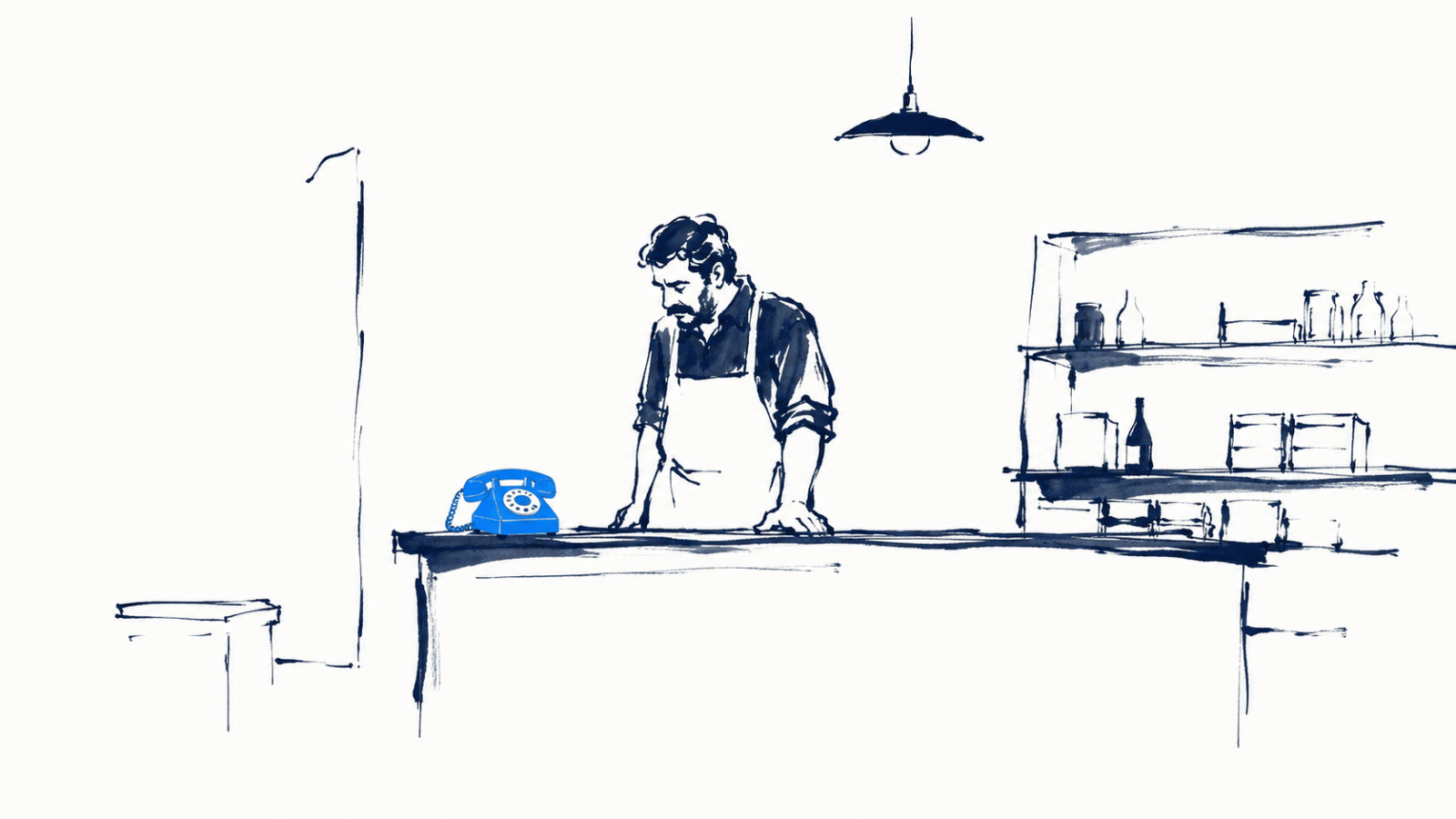




Google documents the appeal form better than anyone else ever will. Open Google’s help page, follow the steps, submit the appeal. That part is solved.
What Google does not publish is what you need when the phone stops ringing: what actually triggered the suspension, how long reinstatement takes in practice, how to keep leads coming while the profile is offline, and what to do when the appeal comes back “Not Approved.”
This is written from reinstatement work done for local businesses in Montreal and across North America, where we operate as a bilingual SEO agency.
Read the suspension before you touch anything
Three different problems wear the same label. Search your business on Google Maps in a private window before doing anything else.
Soft suspension. The listing stays visible on Search and Maps, but you cannot manage or edit it. The profile drops to unverified status, which means user-suggested edits can rewrite your hours, phone number, or address while you watch. You are not losing leads yet. You are losing control.
Hard suspension. The Business Profile is removed from Search and Maps. Someone searching your exact business name will not find it. For a service-area business — roofer, electrician, clinic — that deletes the largest source of inbound calls overnight.
Account-level restriction. The suspension sits on a Google account, not the listing. Every profile that account owns or manages goes down with it, and you cannot claim or create new profiles until the restriction clears.
The diagnostic tell: if you manage several profiles and only some are suspended, the fault is a manager on those specific listings. If all of them are down at once, look at the owner account. Fixing the listing while the account is still restricted accomplishes nothing — the account clears first, then the profile.
What actually triggers a suspension
Google’s email names the policy that was violated. It does not name what you did. That gap is where most owners lose two weeks.
Almost every suspension traces to one of two families.
Something changed. Google treats core profile data as stable. A real business rarely changes its name, address, phone number, or primary category, so any movement there reads as a signal worth reviewing. Change three in one afternoon and you built your own suspension. Adding a city or a service to the business name is the fastest version of that mistake and still the most common.
Someone reported you. Any user can flag your listing through “Suggest an edit” on Google Maps. Competitors in high-spam verticals — locksmiths, garage door repair, personal injury law, water damage restoration — do this deliberately and at volume. One report from a high-trust local guide can be enough.
Underneath those two families sit the recurring specifics:
- A virtual office, coworking space, PO box, or UPS Store used as the business address
- No permanent signage at an address Google decides to verify
- Multiple listings sharing one address or one phone number
- A service-area business publishing a residential address instead of hiding it
- A marketing partner with a restricted Google account still holding manager access
- Promotional copy, phone numbers, emails, or URLs stuffed into the business description
- Hours set to “open 24 hours” when nobody is physically there at 3 a.m.
That last category has widened. Google now evaluates the description, the images, and the category set with the scrutiny it once reserved for the business name.
The first 48 hours: keep the leads moving
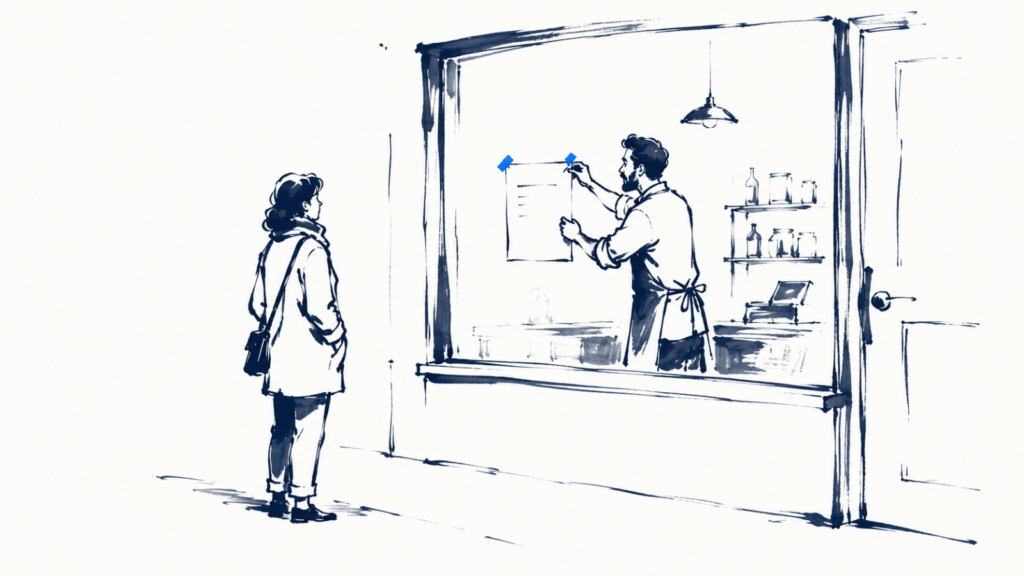
A suspension is a distribution outage, not a demand outage. The customers who were going to call this week still need a roof, a lawyer, a dentist. They lost the shortest path to your phone number. Rebuild that path around Maps.
Confirm what still works. Your website, your organic rankings in the blue links, your paid campaigns, and your directory citations are untouched by a Business Profile suspension. Verify click-to-call, contact details, and forms, because they are about to carry traffic they normally do not carry.
Put the phone number where the profile used to be. Site header, footer, every service page. If you run paid search, raise location-targeted campaigns on the terms the profile was capturing.
Tell your existing customers. An email to your list and a note to referral partners recovers more revenue in week one than the appeal will.
Do not create a new profile. Google says this too, for its own reasons. Here is yours: a new listing starts at zero reviews, zero ranking history, zero photo equity, and a duplicate created while an appeal is under review is itself a policy violation that can restrict the account you are trying to save. That trades a two-week problem for a permanent one.
What the appeal page assumes you already have
Google’s documentation contains one detail with real operational consequences: once the evidence form opens, you have 60 minutes to submit it, or the evidence is not attached to your appeal.
Sixty minutes is not enough time to locate your articles of incorporation. The work happens before you are suspended. Build the folder now:
- Business registration and articles of incorporation
- Current business license, plus professional licensing for regulated trades
- A tax certificate carrying the business name and address
- Two recent utility bills — electricity, water, phone, internet — at the listed address
- Dated photos of permanent exterior signage, storefront, and entrance
- A photo of branded vehicles or equipment for a service-area business
One rule governs all of it: business name and address must match across every document and match the profile exactly. A legal name on the license that differs from the trade name on the listing is the most common reason a well-documented appeal still fails.
Refresh the utility bills quarterly. Forty minutes once, and it is the difference between a complete appeal and a hopeful one.
How long reinstatement actually takes
Published estimates run from “under two weeks” to “30 to 90 days,” which tells you nobody controls the review queue. What you control is which end you land on. Three variables move it.
Completeness of the first submission. Appeals with full documentation attached inside the 60-minute window resolve in one review cycle. Bare appeals come back for a second round, and the second round starts at the back of the queue.
Suspension type. A soft suspension caused by a restricted manager account clears the moment that account clears. A hard suspension on an address Google considers ineligible runs longer, because you are not proving compliance — you are proving eligibility.
Whether the violation is actually fixed. Appealing while the keyword-stuffed business name is still live is an automatic denial. Fix first, appeal second, always in that order.
Plan on three weeks. Build the continuity plan for six.
When the appeal comes back denied
A denial changes the rules. You now have limited attempts and no room to guess.
Stop submitting appeals. Resubmitting identical evidence produces an identical result and burns attempts you cannot recover.
Find the real violation. Post your business name, verified address, and a screenshot of your profile information to the Google Business Profile Help Community and ask the Product Experts to audit it. They spot what you cannot see from inside your own listing: a map pin dropped in the wrong lot, a category implying a storefront you do not operate, a duplicate you forgot existed.
Fix it visibly. Remove duplicates. Match the name to your signage and your state registration. Correct the hours. Shoot new exterior photos. If the listing is central to your revenue, this is the point to bring in outside SEO counsel rather than spend your last attempt on a guess.
Request an additional review. Google grants one when a reinstatement request has been denied, and it accepts evidence that was not in the original appeal. Treat it as your last attempt, because in practice it is. Submit new documents rather than the same ones reformatted, and write the explanation as a factual account of what was non-compliant and what changed. Reviewers check facts. Lost revenue, years in business, and review averages carry no weight here.
In the European Economic Area, Google’s documentation points to additional redress options beyond the appeals tool.
After reinstatement, the profile returns before the rankings do
Reinstatement restores the listing, not its standing. A reinstated profile comes back with its reviews and its history intact, but expect a lag in the local pack measured in weeks.
During that window, make no edits. No name changes, no category experiments, no address adjustments. A freshly reinstated profile is the most closely watched listing in your market, and a second suspension is far harder to clear than the first. Feed it instead: post updates, respond to every review, add current photos, keep hours accurate. Ordinary activity is what rebuilds trust.
Prevention is an operating habit
- Change one field at a time, days apart. Never edit name, address, and category in one session.
- Audit profile access quarterly. Remove agencies you no longer work with and any manager account you cannot vouch for.
- Match name, address, and phone number exactly across your website, your citations, and your profile.
- Photograph your signage annually so dated proof always exists.
- Keep the description free of phone numbers, URLs, promotional claims, and keyword lists.
- Re-read Google’s guidelines for representing your business once a year. They change, and a profile that was compliant in 2024 is not automatically compliant now.
The structural fix: stop renting your entire lead flow
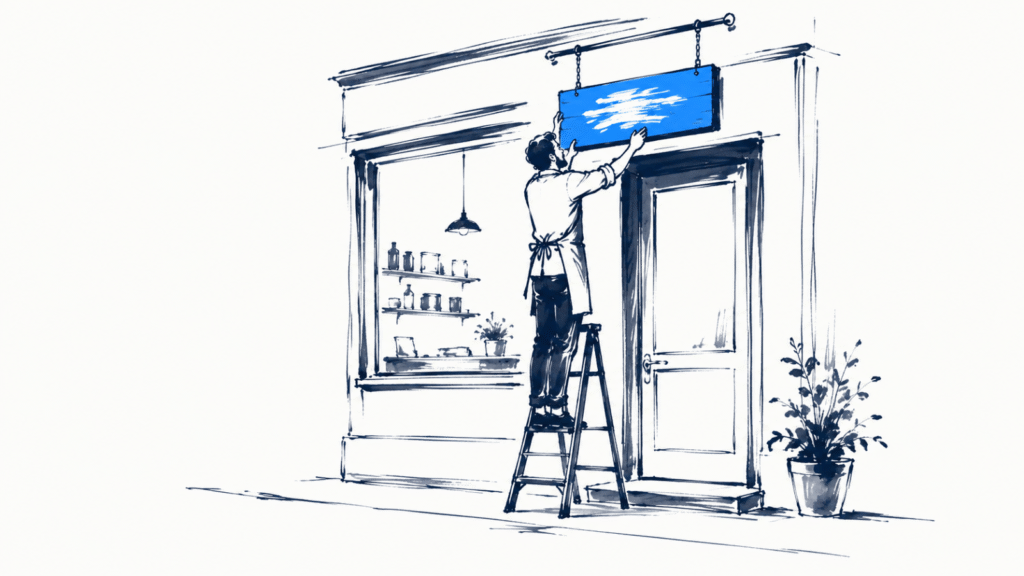
Every suspension story shares one condition: the business built its lead flow on an asset it does not own, on a platform that can switch it off without warning.
The businesses that ride out a suspension are the ones whose organic visibility exists independently of the Business Profile. When Maps goes dark, their service pages and location pages still rank in the blue links, and the phone still rings.
That resilience is built before you need it. A local SEO program producing genuinely ranking location and service pages gives you a lead channel no moderation queue can suspend. A sound technical foundation keeps those pages crawled and indexed. Content answering the questions your profile used to answer captures the same intent one click earlier. Links from real local publications make it defensible. And as buyers ask AI assistants instead of typing queries, visibility in generative engines adds a channel that never routes through Maps.
In practice: a local contractor went from roughly 5 organic clicks a week to about 80 a day — 7.21k clicks, 494k impressions, average position 9.2 — through the blue links alone. A local marketing firm moved from under 10 organic clicks a month to more than 300 a day across twelve months: 16.7k clicks against 987k impressions. A client a year in is still holding 175.8k clicks, which matters more than any peak: the floor is the result, not the spike.
None of that traffic depends on a Business Profile staying online. See more of these accounts and how the work is structured across our services.
If your profile is down right now, the appeal is the urgent task and the second channel is the important one. A free SEO audit shows how exposed you are, and our team can scope what closing that gap takes.
Frequently asked questions
What causes a Google Business Profile suspension?
Two families cover most cases: a change to core profile data — business name, address, phone number, or category, especially several at once — or a report filed through “Suggest an edit” on Google Maps. The recurring specifics are virtual office and PO box addresses, missing permanent signage, keyword stuffing in the business name, duplicate listings sharing an address or phone number, and a restricted Google account holding manager access.
How long does reinstatement take?
Published estimates range from under two weeks to 30 days or more, because the review queue is outside your control. Complete documentation submitted with the first appeal is the single biggest factor in a fast resolution. Plan for three weeks; build the continuity plan for six.
Can customers still find me while my profile is suspended?
With a soft suspension, yes — the listing stays visible, you simply cannot manage it. With a hard suspension, no: the profile is removed and customers will not find it even by searching your exact business name. Your website and organic rankings are unaffected either way.
Should I create a new profile while I wait?
No. A new listing starts with no reviews, no ranking history, and no photos, and creating a duplicate while an appeal is under review is itself a policy violation that can escalate into an account restriction.
What do I do if my appeal is denied?
Do not resubmit the same appeal. Have the listing audited by Product Experts in the Google Business Profile Help Community, fix the specific violation they identify, then request an additional review with evidence that was not in the original appeal. That review is effectively your last attempt.
Does a suspended profile get deleted?
Suspension is not deletion. A soft-suspended listing stays published; a hard-suspended one is removed from public view. In both cases the profile, its reviews, and its owner and manager access are restored together when Google reinstates it — which is precisely why creating a replacement listing costs you more than waiting does.
Why is my profile back but my rankings are not?
Reinstatement restores the listing, not its standing. Google rebuilds confidence over weeks. Make no edits during that window and recover through ordinary activity: posts, review responses, current photos, accurate hours.